
Planning a wellness bathroom around your daily routine
Start with how you want to use the room. A quieter bathroom can come from considered light, space and materials as much as from specialist equipment.
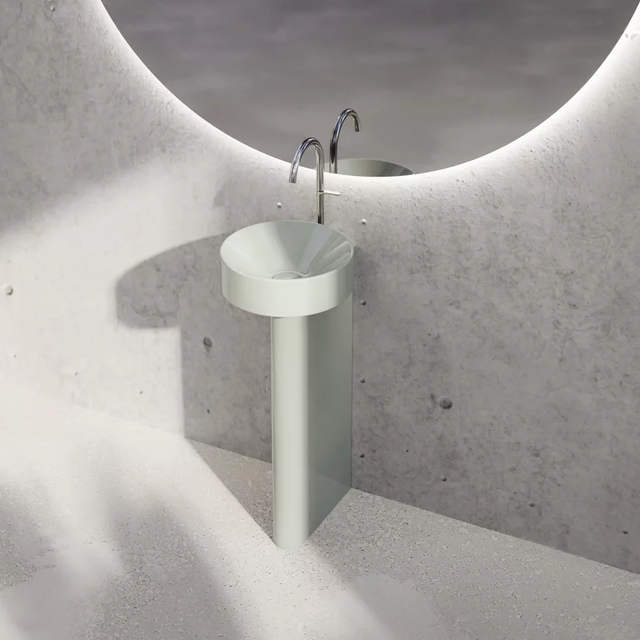
The idea of a wellness bathroom can mean different things to different people. For one household it is an unhurried bath at the end of the day; for another it is a practical shower room that feels calm in the morning. Begin with that routine before drawing up a list of products.
Decide what calm means to you
Think about the moments when the room feels busy or uncomfortable. Is there nowhere to put a towel, a mirror in the wrong position, or too much visual clutter? Write down two or three changes that would make the biggest difference. These priorities give a designer a more useful brief than a collection of unrelated features.
Give light and materials a shared direction
Look at the way daylight reaches the room and how the space will be used after dark. Bring tile, paint and brassware samples together so that colour and texture can be discussed as a whole. A restrained palette does not have to be colourless: a quiet green or a textured surface can be the starting point.

Discuss specialist features early
If your plans include a steam shower, sauna or another specialist system, raise it at the design stage. The available space and the requirements for installation, ventilation, water and electrical services need a project-specific assessment. A photograph can communicate a mood, but it cannot establish whether a system suits your room.
Alfa Tiles describes wellness and spa products alongside its bathroom design, supply and installation services. Ask the team to explain the options that fit your brief and what each option would mean for the rest of the project. You can also decide that a simpler arrangement is the right one.
Keep everyday use at the centre
Before settling on a concept, walk through an ordinary day: where you stand, reach, dry off and store the things you use. A room should support those small actions as well as the occasional longer pause. The most useful next step is a clear conversation about your priorities, rather than choosing every feature at once.